

An AirRefinery alone makes fifty thousand litres a year. Twenty of them on a solar farm makes a million. We call these clusters Fuel Farms — quiet, distributed sites that behave less like a refinery and more like an oilfield.
Picture an oilfield. Dozens of pump jacks dotted across a paddock, each one quietly nodding away, lifting a small amount of crude to a central battery. A truck rolls up every few days and takes the lot to market.
A Fuel Farm works the same way — except the wells are AirRefineries, the pasture is a solar farm, and what's coming out of the ground is fuel made from air, sunlight and water.
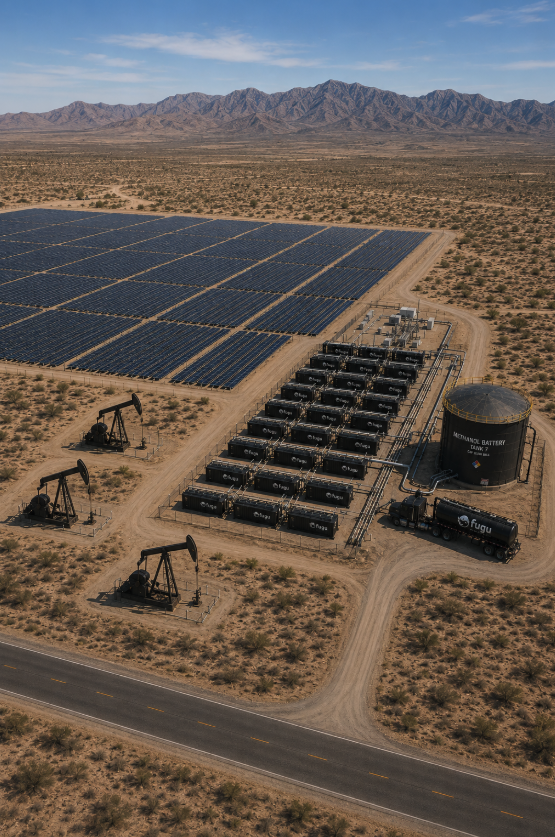
The first Fuel Farm is a million litres. A region of twenty farms is a tank of jet fuel for a small airport, a fleet's worth of shipping methanol, a season's worth of racing gasoline. Because each unit is identical, scale is a question of how many trucks roll into how many fields — not how big the next plant has to be.
Every farm is the same machine, repeated. Manufactured in Australia, shipped in standard containers, set down on flat land near sun, plugged into a solar farm and a road.
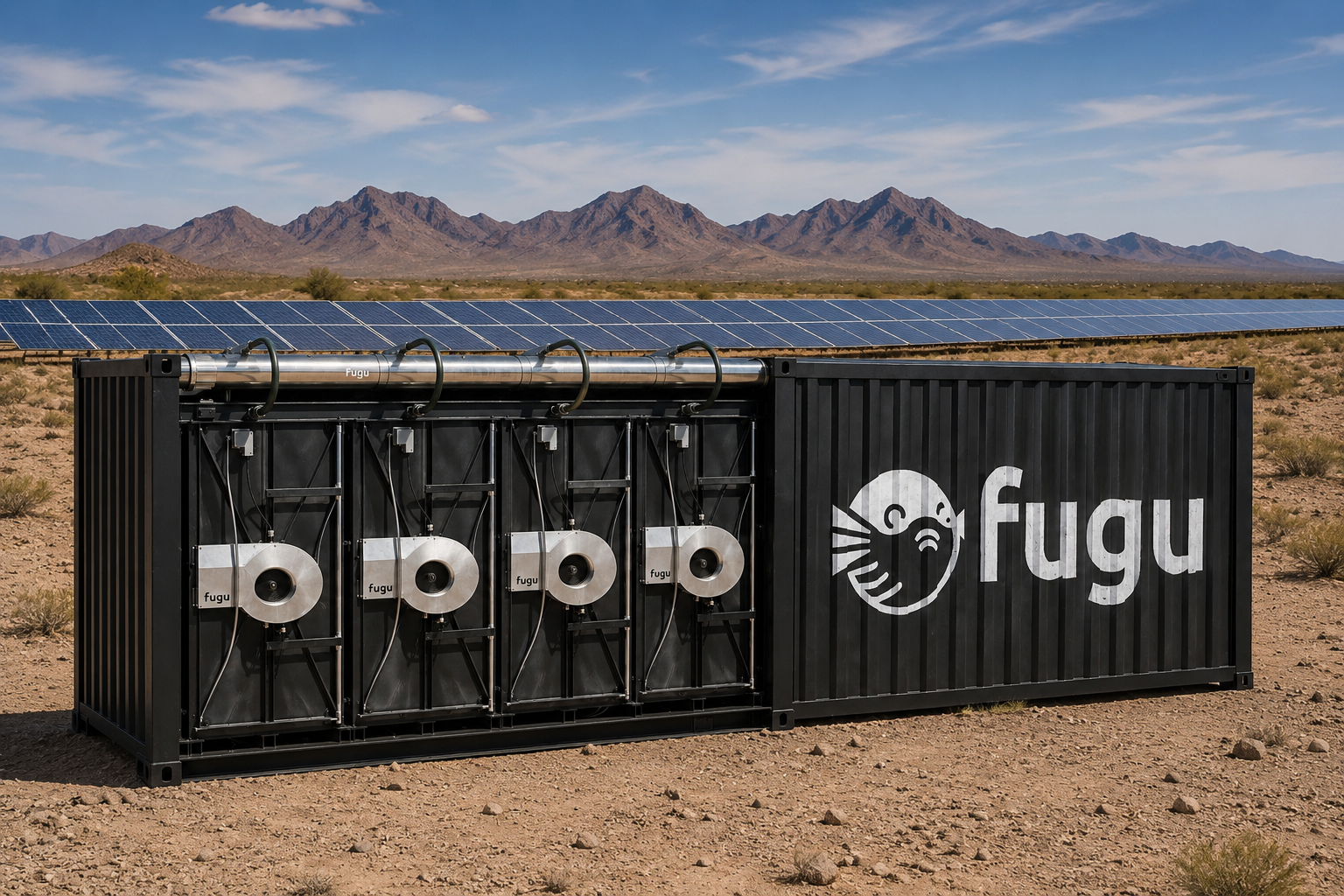
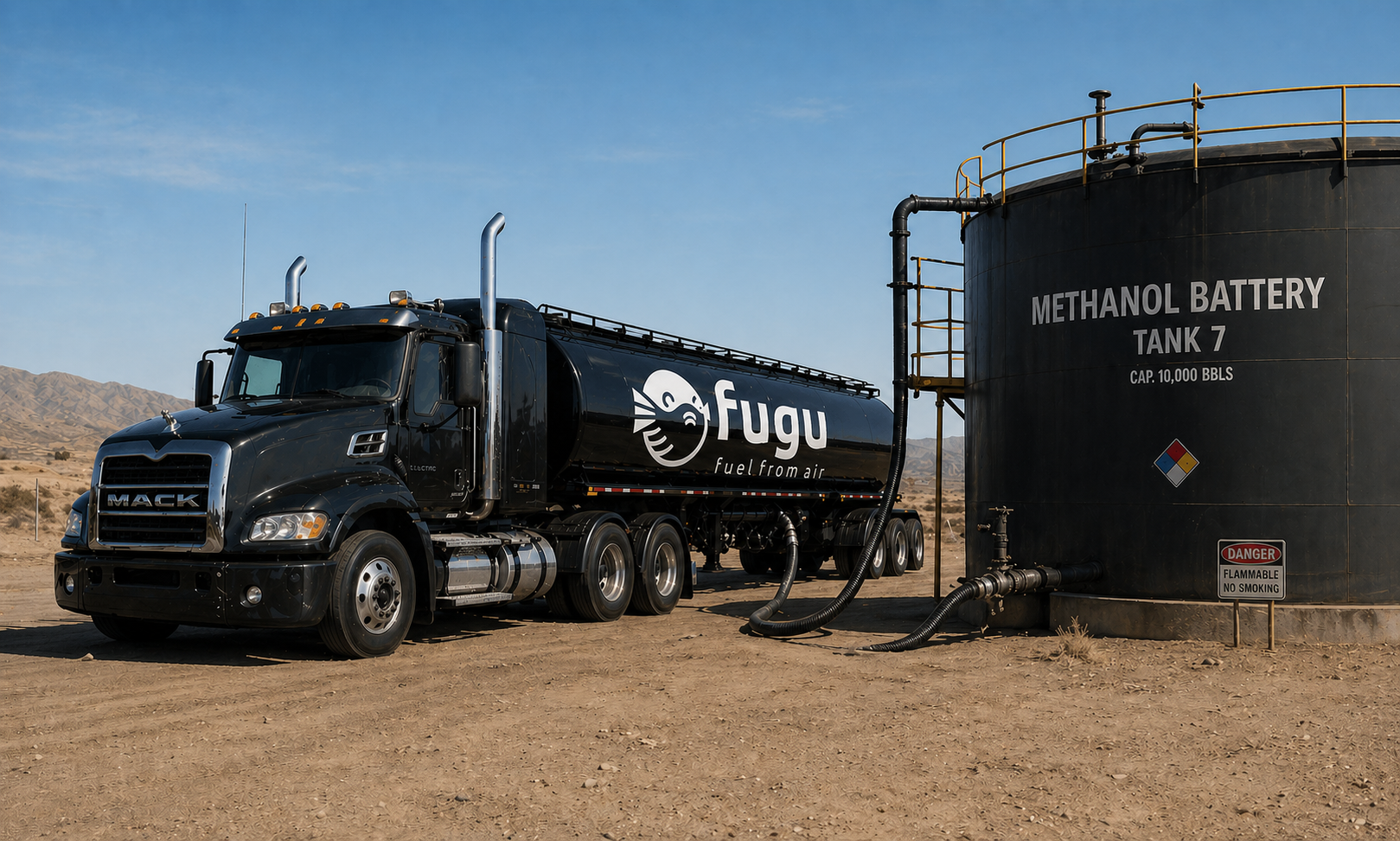
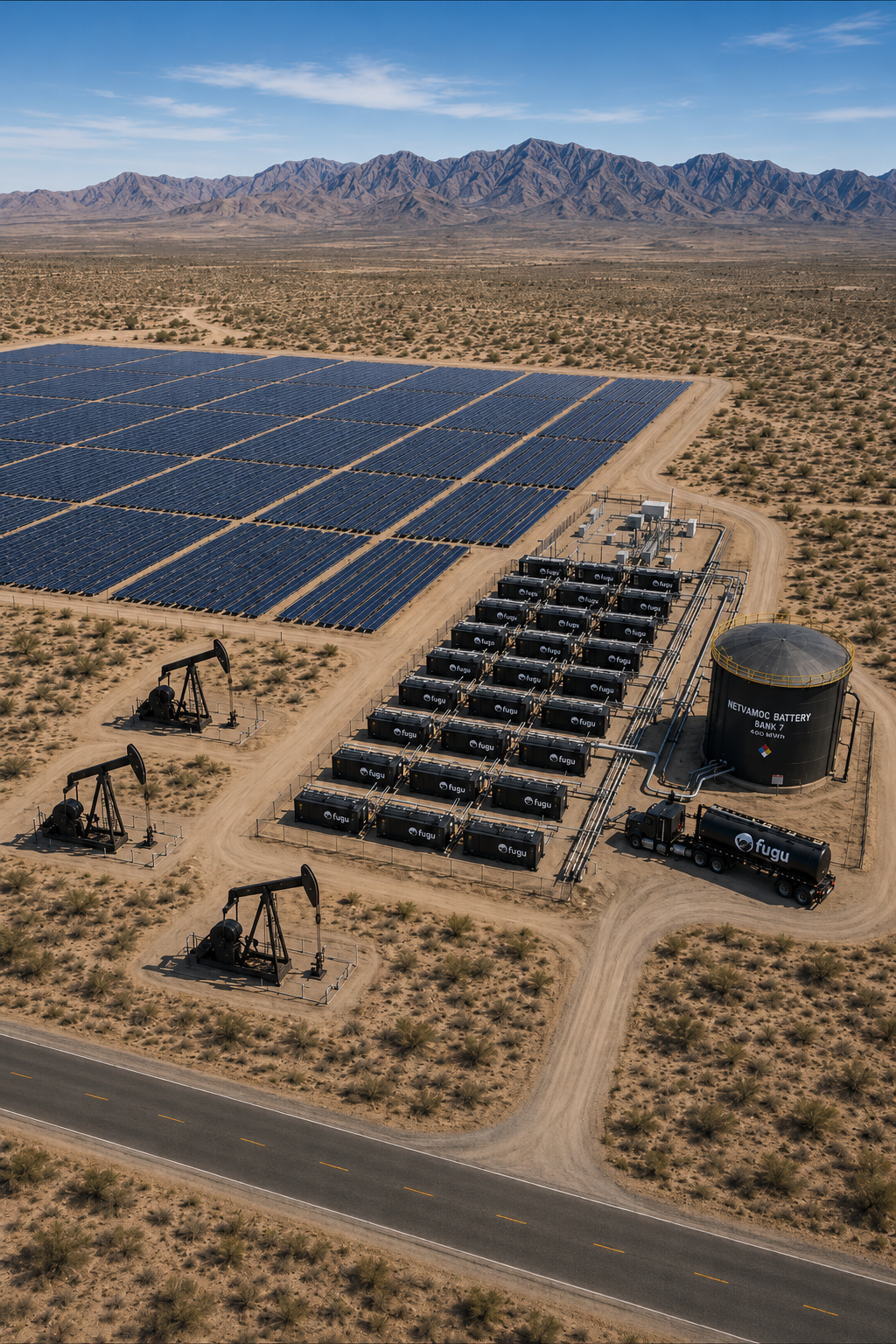
West Texas and the Hunter Valley are the first two — both with cheap sun, flat land, a road, and a fuel market within a day's drive. Each Fuel Farm is its own conversation with its own first customer.